The spinach wilts in the crisper before you get to it. The leftover rice sits at the back of the fridge until it becomes a science experiment. The bulk bag of tomatoes from Costco seemed like a good idea on Saturday, but by the following weekend, they are sad and shrivelled. The package of mushrooms is left in its plastic, unable to breathe. None of this feels like a $3,872 problem at the time, but it adds up to that.
The real cost, in real numbers
The scale of food waste in Canada is shocking. Research from organizations like Second Harvest shows that millions of tonnes of food are lost or wasted each year in the Canadian food system. While those numbers are alarming, researchers at the University of Guelph's Arrell Food Institute emphasize that households can also make simple changes to reduce waste. They suggest habits like meal planning, understanding date labels, checking what's already in the fridge before shopping, and finding new uses for leftovers. In other words, reducing food waste comes down to planning better, not just buying less.
According to Second Harvest's 2024 update on national food waste research, the average Canadian household loses about $3,872 a year on food that is still good to eat. Avoidable food waste, which is the food that is safe to eat, now amounts to $58 billion a year across the country.¹ The good news is that Canada's food system has become more efficient since the last major study in 2019. The bad news is that the amount of avoidable waste has increased by 6.5% during that time. This increase comes at a time when grocery prices are the highest they have been in years, making the waste feel even worse. The plan matters here, not just the food.
Researchers at the University of Guelph have been examining what actually ends up in the green bin, rather than just estimating. Their food waste audits show that the average household throws away about 4.5 kilograms of food each week, with 64% of that being avoidable. This is food that could have been eaten. Half of this avoidable waste is fresh fruit and vegetables.²
This pattern aligns with how most food waste occurs. It rarely results from a single dramatic choice. It's the extra bag of spinach bought "just in case," the chicken thighs pushed to the back of the freezer and forgotten, and the bulk deal that seemed cheaper at the store but felt like guilt a week later. It happens because there was no plan in place, not because anyone stopped caring about waste.
Every bag of salad, loaf of bread, or carton of milk represents farmland, water, fuel, refrigeration, transportation, and human labour. Throwing away food wastes all the resources that brought it to your kitchen, not just the groceries themselves. Organic waste in landfills breaks down without air, releasing methane gas—a greenhouse gas that is over 25 times more powerful than CO₂.
Start with what's already there
One habit that helps reduce food waste is checking what's already in the fridge, freezer, and pantry before deciding what to buy. That may seem obvious, but many of us don't do it regularly because it takes a few extra minutes at a hectic time during the week. The solution isn't complicated. Before making a grocery list, honestly survey your kitchen and plan a couple of meals around what you already have. Use the half onion, the odd leftover vegetable, or the protein that needs to be cooked this week or not at all. Fill in any real gaps at the store after that, instead of before. A planning tool that allows you to choose from what you already have in your kitchen, rather than starting with a blank page, makes this much easier. Dietcraft Express creates meal plans this way, requiring no extra effort on your part.
Best before doesn't mean bad
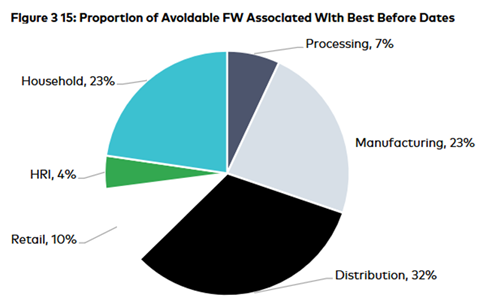
One major reason for avoidable household food waste is confusion over food labels. Many Canadians mistakenly believe that once a Best Before date has passed, the food should be thrown away. In reality, that label often does not mean the food is unsafe.
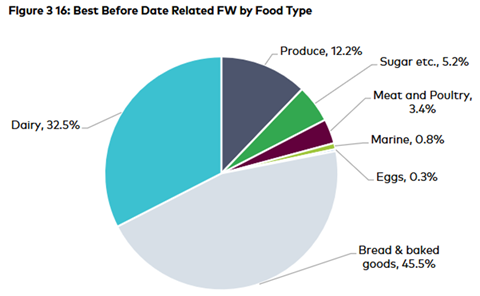
For most packaged foods, a Best Before date indicates the time frame during which the manufacturer expects the product to maintain its best flavour, texture, and overall quality when stored correctly. It generally does not mean the food is unsafe to eat the next day and is entirely at the manufacturer's discretion. In fact, slightly more food is wasted at the distribution level when items like bread are returned to distributors unsold. Many products remain perfectly fine to eat beyond their Best Before date if they have been stored properly and show no signs of spoilage.
On the other hand, Expiry Dates apply to a much smaller group of products where safety is the main concern, and should be used with caution when exceeded and discarded.³ Understanding the difference between these labels can help households avoid discarding perfectly good food simply due to a misunderstanding. Instead of relying only on the calendar, consider the product's appearance, smell, storage conditions, and the guidance provided on the packaging.
Treating the fridge as a starting point instead of an afterthought is enough here; a household doesn't need to aim for zero waste or obsess over every leftover. This habit is the same one that helps a weekly plan work in the first place. Even better, don't buy extra food to start with by planning your meals! The cheapest groceries you'll ever buy this week are the ones you've already paid for.
² University of Guelph / Arrell Food Institute, "Laying Waste to Waste" — including the Guelph Food Waste Research Project audit data. https://arrellfoodinstitute.ca/spotlight/food-waste/
³ Understanding the date labels on your food. https://inspection.canada.ca/en/food-labels/labelling/consumers/date-labels-food
Plan from what you have
Dietcraft Express builds a weekly meal plan and grocery list around your household — free, no account needed.
Try the free planner →